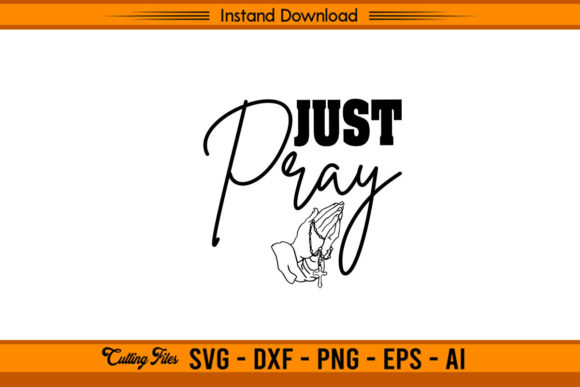
Just Pray Christian: A Designer’s Embroidery Review
First Impressions: Mood, Layout, and Visual Weight
When evaluating a new machine embroidery design for my studio, I look past the digital preview and immediately imagine how it will translate to thread on fabric. The Just Pray Christian graphic carries a distinct sense of calm and intentionality that is crucial for faith-based merchandise. As a designer, my first assessment focuses on the visual hierarchy. The phrase needs to be legible from a distance but intimate enough to feel personal when held in hand. In the realm of Crafts and Graphics, typography is everything. This design appears to balance boldness with reverence, avoiding overly ornate scripts that often cause registration issues during stitching.
The layout suggests a versatile aspect ratio, which is a significant advantage for commercial use. Unlike designs locked into a single orientation, this composition feels adaptable. It possesses enough negative space to allow for custom additions, such as a name or date, without looking cluttered. For an Etsy seller or boutique owner, this flexibility is vital. It transforms a standard product into a personalized gift without requiring a complete redesign. The visual personality strikes a chord between modern minimalism and traditional warmth, making it suitable for both contemporary apparel and classic home decor.
Real-World Application: Stitching Out a Custom Sweatshirt
To truly understand the value of this asset, I mentally walked through a recent client project: a custom embroidered sweatshirt for a church women’s retreat. The goal was a cozy, wearable item that felt high-end rather than like generic promotional gear. Using Just Pray Christian as the centerpiece, I considered the interaction between the design and the garment's texture.
Sweatshirt fleece presents specific challenges due to its loft and stretch. If I were to run this file as a dense fill stitch, the result would be stiff and bulletproof. However, judging by the clean lines of the source graphic, this design is an excellent candidate for a combination approach. Utilizing a running stitch outline with strategic satin stitch accents allows the fabric to breathe while maintaining definition. This technique elevates the perceived value of the custom apparel. Customers are increasingly savvy; they can distinguish between a heavy, uncomfortable patch of thread and a design that integrates beautifully with the garment. For a craft business, offering this level of quality assurance builds trust and encourages repeat orders.
Best Use Cases: From Nursery Decor to Tote Bags
Versatility drives profitability for creative entrepreneurs. Based on the aesthetic and structure of Just Pray Christian, several applications stand out as particularly strong contenders for finished products.
- Tote Bag Design: Canvas totes provide a stable, flat surface ideal for crisp lettering. The design’s message aligns perfectly with the utility and sentimentality of a faith-based carryall.
- Baby Embroidery: When scaled down for bibs or blankets, the simplicity of the artwork ensures it remains readable. Soft colors and reduced density make it safe and comfortable for infant wear.
- Holiday Embroidery: This graphic serves as an excellent base for seasonal variations. Adding subtle holly or cross motifs can transition the core design from everyday wear to Christmas or Easter collections.
- Embroidered Patch: Creating standalone patches allows customers to customize their own denim jackets or caps. The bold nature of the text ensures clarity even at smaller patch sizes.
- Kitchen Textiles: Tea towels and aprons benefit from the inspirational message. These items are frequent gifts, and the design’s universal appeal makes it a safe yet meaningful choice for buyers.
For digital product sellers, this file also excels in creating printable mockups. Because the original files include SVG and PNG formats intended for cutting machines like Cricut or Silhouette, you can easily create heat transfer vinyl samples to photograph alongside your embroidered versions. This dual-media capability expands your inventory without additional digitizing costs.
Technical Caution Zones: Where to Pause and Test
Even the most beautiful digital embroidery file has limitations. Professional judgment requires knowing where Just Pray Christian might struggle. I advise extreme caution when applying this design to highly textured fabrics like terry cloth or minky. Without proper stabilization and potentially a topping, fine details in the lettering could get lost in the pile. Similarly, performance knits and moisture-wicking athletic wear require careful tension adjustments; the design may distort if the stitch density is too high for the unstable knit structure.
Small hoop sizes present another boundary. While the design is scalable, reducing it below a certain threshold risks compromising legibility. Serifs and internal counters in letters may close up, turning elegant script into muddy blobs. Always verify the minimum recommended size before committing to a production run. Additionally, dark fabrics demand contrast testing. A navy sweatshirt with black thread will fail visually regardless of stitch quality. Always test thread colors against the actual garment material under natural lighting conditions. Finally, curved surfaces like structured caps require specialized hooping and potentially a modified version of the design with a slight arc to prevent distortion at the top and bottom edges.
Elevating Brand Value Through Intentional Design Choices
In the saturated market of handmade goods, presentation separates hobbyists from professionals. Using Just Pray Christian effectively means treating it as a premium asset. The clean vector origins imply sharp edges and smooth curves, which should translate to professional-grade embroidery. When customers see consistent, clean stitching on a finished product, they associate that quality with your entire brand. This design supports that perception because it avoids unnecessary complexity that often leads to manufacturing errors.
Furthermore, the immediate availability of the download facilitates rapid prototyping. For a small shop product launch, speed matters. Being able to download, test, and photograph a sample within hours allows you to capitalize on trends or seasonal demands quickly. However, speed should never bypass quality control. The professionalism of your output depends entirely on how well you adapt this digital asset to physical reality. Your reputation as an apparel decorator or maker hinges on the tangible result, not just the digital promise.
Essential Notes for the Working Embroiderer
Before loading this file into your machine or listing a product derived from it, adhere to these practical protocols:
- Verify Licensing: Confirm whether your purchase includes commercial rights for selling finished embroidered goods versus just the digital files. Never assume; always check the specific license terms provided with Just Pray Christian.
- Stabilizer Selection: Match your backing to the fabric weight. Cut-away for stretchy knits, tear-away for stable wovens, and wash-away for delicate sheers. Do not rely on a one-size-fits-all approach.
- Density Check: Open the file in your embroidery software to inspect stitch count and density. If the design is optimized for print or vinyl cutting, it may require redigitizing or modification for optimal embroidery performance.
- Contrast Testing: Create a grayscale mockup to ensure tonal contrast exists independent of color. If the design disappears in black and white, it lacks sufficient definition for low-light viewing.
- Wash Test: If selling baby items or kitchen textiles, wash and dry your test sample aggressively. Ensure the embroidery project withstands real-life care without puckering or fraying.
- Mockup Accuracy: When using the included PNG/SVG for digital previews, clearly label them as digital representations if they differ significantly from the stitched texture. Transparency prevents customer disappointment.
Ultimately, Just Pray Christian offers a strong foundation for faith-based crafting. Its success in your shop depends on your technical diligence and artistic sensitivity. Treat the file as a starting point, apply your expertise regarding fabric texture and machine capabilities, and you will produce work that honors both the message and the medium.